It seems we can’t find what you’re looking for. Perhaps searching can help.
Boiler Tube Replacement Cost in Indian Power Plants: 5 Levers to Cut Spend by 15–20%
boiler tube replacement costboiler maintenance servicespower plant maintenance indiapower plant maintenance
Every outage planner in an Indian power plant knows the same uneasy feeling: a localized boiler tube failure suddenly becomes a multi-crore, multi-week event. What looks like a simple replacement quickly balloons into cost overruns, extended downtime, and nervous grid schedulers calling for updates.
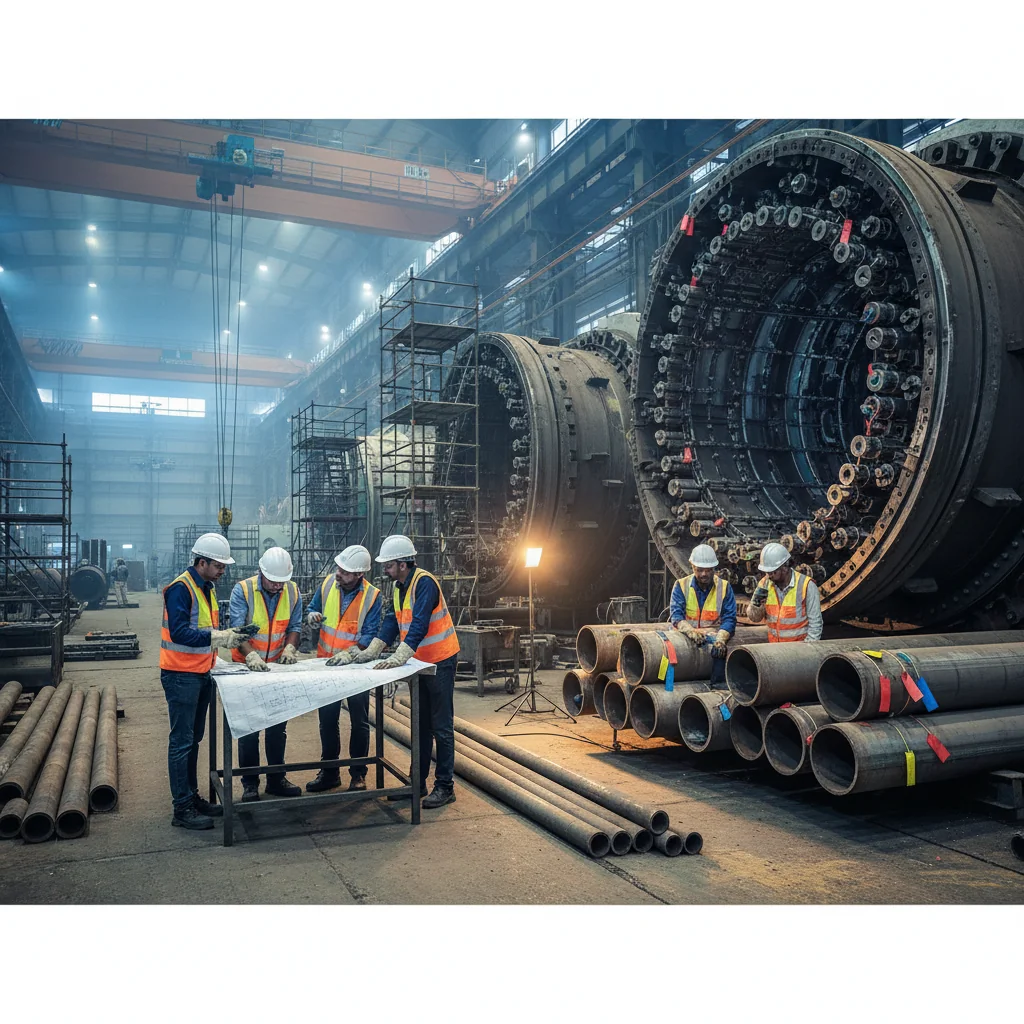
The uncomfortable truth is that boiler tube replacement cost is rarely about the price of tubes alone. It is a system problem: materials, sourcing, access, weld productivity, NDT, safety, and restart risk all stack up. The plants that consistently spend 15–20% less per metre of tube replaced are not luckier. They manage these levers deliberately.
This article breaks down those levers with a sharp focus on Indian conditions—coal quality, high-ash environments, legacy EPC decisions, and domestic supply chains. It also shows where specialist partners like Boilleo Private Limited change the economics: from boiler maintenance services and power cycle piping to full outage execution.
We will move from fundamentals to highly practical playbooks: how to choose tube materials, when to localise fabrication, how to plan outages like capex projects, and—critically—how to prevent repeat failures so you replace fewer metres over the boiler’s life.
1. What really drives boiler tube replacement cost in Indian power plants?
Boiler tube replacement cost is driven by four primary elements: material and fabrication, access and scaffolding, welding and inspection productivity, and outage duration. Tube price is often less than 25% of the fully loaded cost per metre.
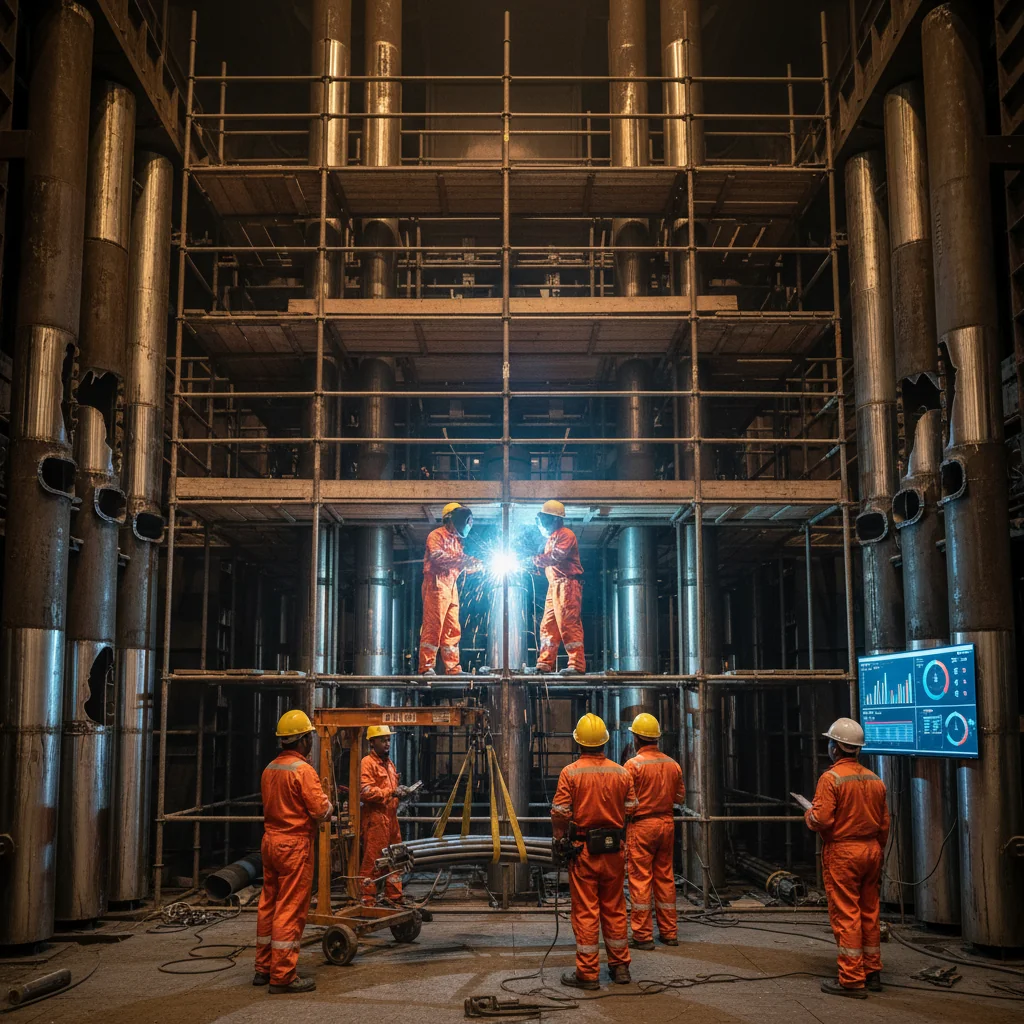
In a 500 MW unit, a 200–400 metre tube replacement campaign can quickly approach ₹1.5–3 crore when you factor in lost generation. At a conservative ₹2.5 per kWh and 500 MW capacity, every extra day of outage can mean ₹3–4 crore in opportunity cost alone. That’s why plants that compress outage days, not just negotiate tube prices, consistently outperform.
For Indian plants, additional cost drivers include high-ash coal causing erosive wear, water chemistry issues, and historic design compromises in waterwall and superheater layouts. These increase the likelihood of frequent, scattered failures—forcing multiple small interventions instead of one well-planned, surgical campaign.
Boilleo often begins engagements by mapping a plant’s last 3–5 years of tube failures. This reveals patterns—same panel, same elevation, same weld type—that suggest design or operating issues, not random failure. Addressing these root causes can reduce tube replacement frequency by 20–30% over a five-year horizon.
Key takeaway: The biggest savings rarely come from cheaper tubes. They come from replacing fewer tubes, less often, and in fewer, better-planned outages.
2. How do tube material choices change cost per metre over the boiler’s life?
Tube material selection changes lifecycle cost more than any other technical variable. A slightly higher-grade alloy that extends tube life by 3–5 years will usually beat the lowest initial quote.
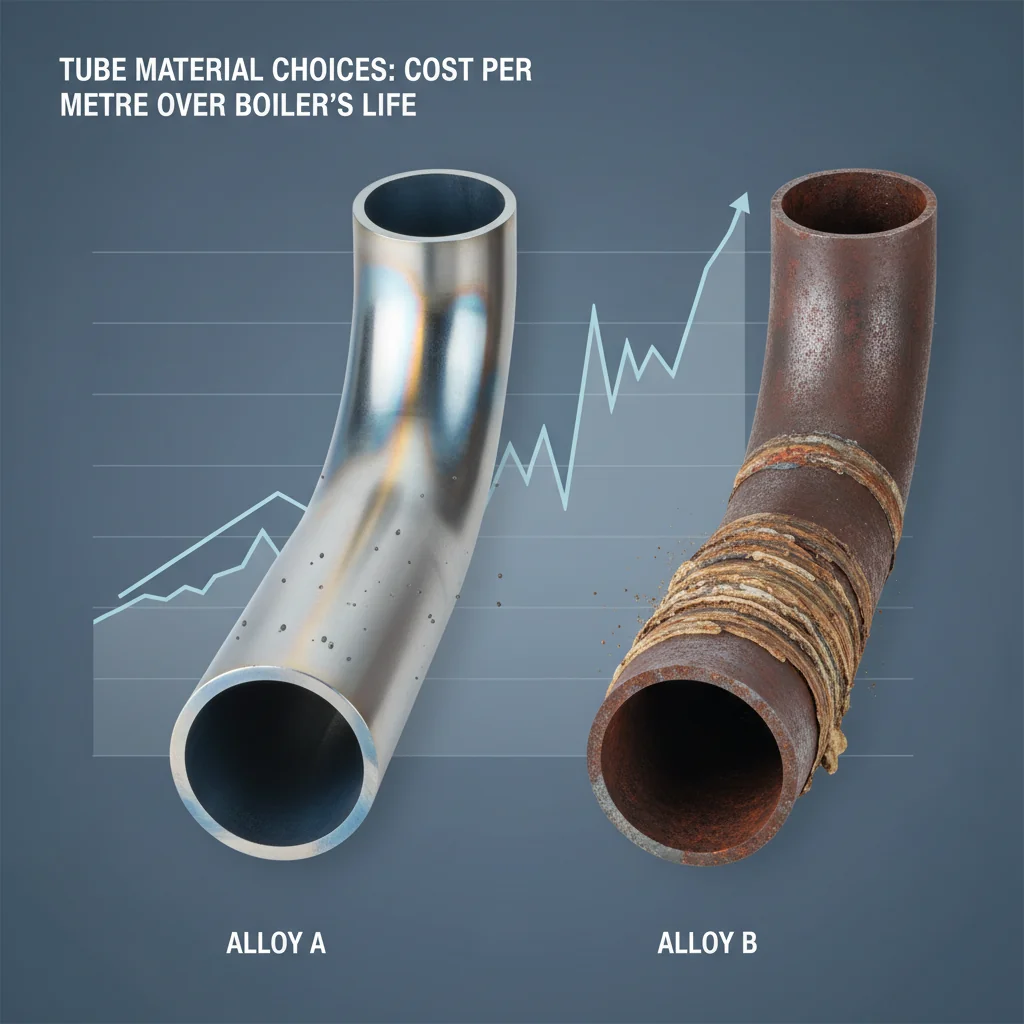
Boiler tube is a pressure part that must withstand high temperature, pressure, and corrosive flue gases. In Indian coal-fired units, high ash and chlorine content punish poor material choices. Common options include carbon steels for economizers and waterwalls, and low-alloy Cr–Mo steels for superheaters and reheaters.
Plants often default to “like-for-like” replacement, even when operational conditions have changed. For example, post-FGD retrofits or biomass co-firing can increase corrosivity, making original materials underperform. A better strategy is to treat each large tube replacement as a mini re-engineering exercise: verify operating temperatures, flue gas chemistry, and ash erosion patterns; then validate or upgrade materials.
Boilleo’s experience shows that in high-erosion zones, upgrades such as 2.25Cr–1Mo or 9Cr–1Mo can reduce failure frequency by 30–50%, even if material cost is 20–40% higher. On a per-metre basis, that often translates to a 10–15% reduction in lifetime boiler tube replacement cost.
| Material | Typical Use | Initial Cost | Relative Life in Harsh Zones |
|---|---|---|---|
| Carbon steel | Economizer, waterwall | Low | Base (1.0×) |
| 2.25Cr–1Mo | Superheater | Medium | ~1.4× |
| 9Cr–1Mo | High-temp SH/RH | High | ~1.7× |
Over 15–20 years, optimised material choice generally cuts effective cost per operating hour of tube service by 15–25%.
3. Local sourcing vs imports: where do Indian plants really save?
Indian power plants reduce boiler tube replacement cost most reliably by optimising domestic sourcing and only importing for genuinely niche specifications.
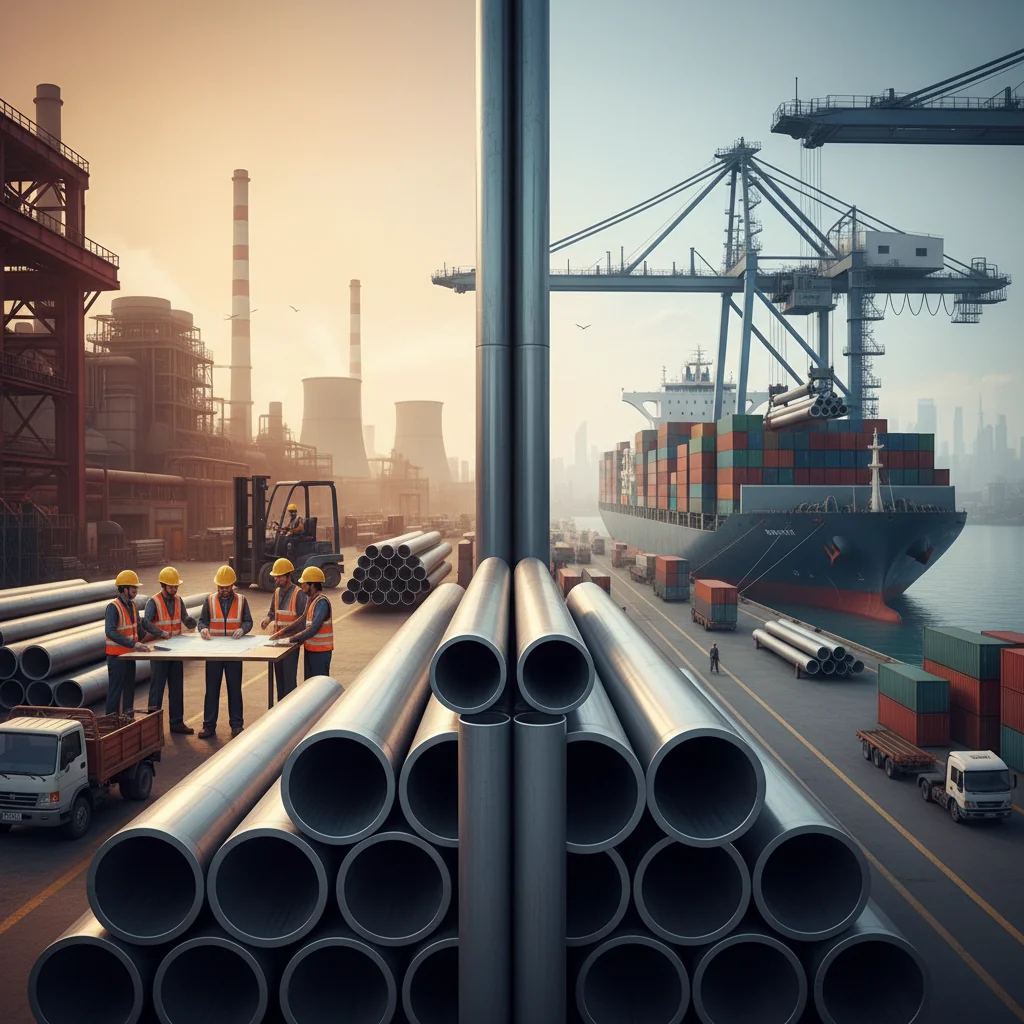
While imported tubes can appear 5–10% cheaper on unit price, logistics, duties, and schedule risk often erode the benefit. For common grades and diameters, high-quality Indian manufacturers can match performance with shorter lead times and easier coordination. The hidden advantage is flexibility: local mills and fabricators can support partial deliveries, emergency top-ups, and last-minute design tweaks.
Boilleo typically advises a tiered sourcing strategy:
- Tier 1: Pre-qualified Indian mills for mainstream sizes and grades, with framework agreements locking in pricing and QA/QC.
- Tier 2: Regional fabricators for bends, panels, and shop welds under Boilleo’s weld procedure and inspection regime.
- Tier 3: Select overseas suppliers only where metallurgy or geometry is not locally available at required quality.
For a 200-metre campaign, plants using this model typically see 8–12% savings on fully loaded material and fabrication cost, primarily from reduced rework and lower logistics overhead. More importantly, tighter control of QA (ultrasonic testing, hardness, IGC testing where relevant) reduces in-service failures linked to material defects.
In India’s regulatory and grid environment, reliability has direct revenue impact. Local sourcing with robust technical oversight is often the most profitable path, even if the per-tonne quote is marginally higher than the cheapest import.
4. Outage planning: the most powerful lever to cut total replacement spend
Outage planning is the single most powerful lever to cut real boiler tube replacement cost by 15–20%, because it tightly links engineering scope, manpower, access, and schedule.
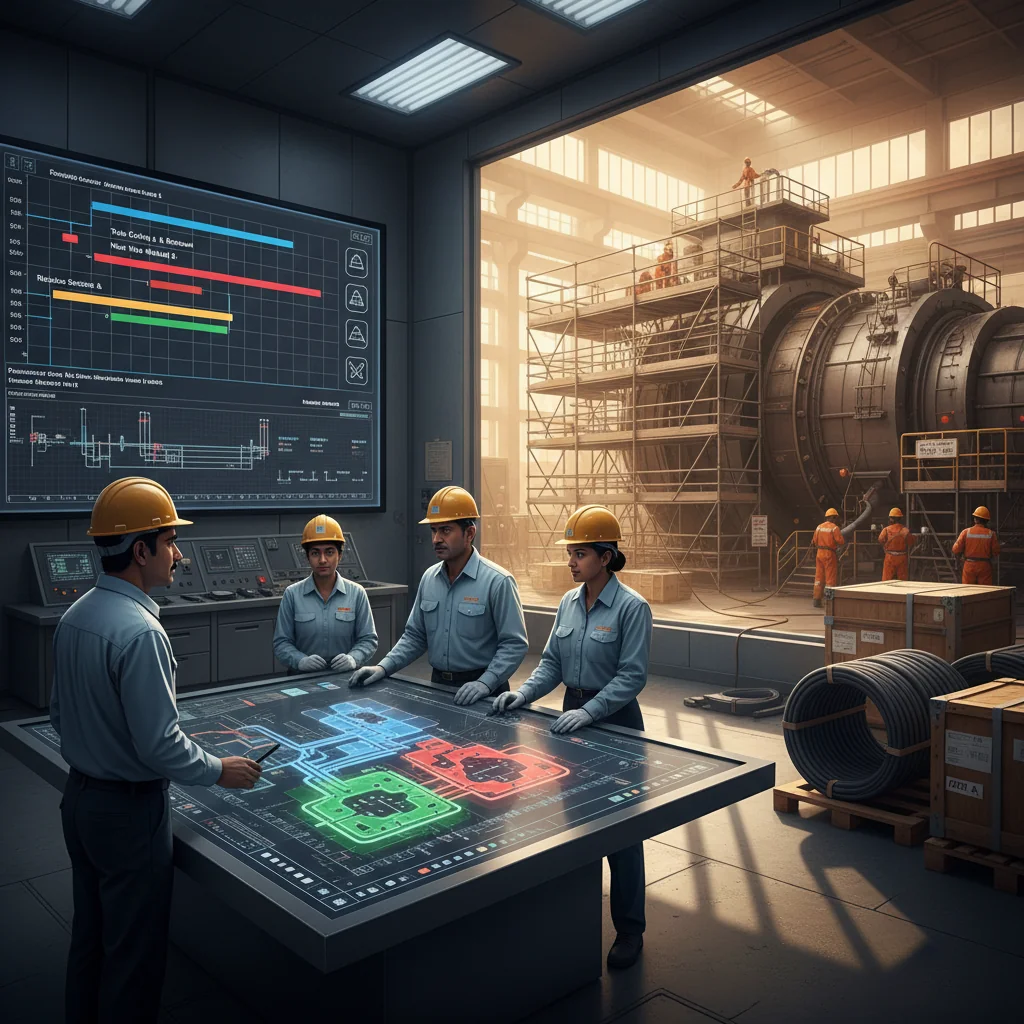
Three practices matter most:
- Scope consolidation: Instead of multiple reactive stoppages, combine known weak zones into a single, well-defined campaign. Boilleo’s shutdown reviews often identify 3–5 small jobs that can be rolled into one major intervention.
- Front-loaded engineering and prefabrication: Finalise isometrics, spool drawings, and weld maps before outage. Prefabricate panels and bends offsite where possible.
- Critical path control: Synchronise scaffolding, isolation, cutting, welding, NDT, and pressure testing so each crew is productive from day one.
In Indian units, poorly planned outages often lose 15–25% of productive hours in the first three days to material mismatches, drawing clarifications, or access issues. Plants working with integrated partners like Boilleo—who manage mechanical, piping, and boiler maintenance services end to end—can typically reclaim most of that lost time.
On a recent 660 MW unit, re-engineering the outage plan reduced shutdown duration by 4 days while executing a 300-metre tube replacement scope. At ₹3 crore/day of lost-generation value, the planning effort translated into ₹12 crore of avoided opportunity cost, dwarfing any tube unit price discussion.
Quotable insight: The most expensive tube is not the one you buy; it’s the one that keeps a 500 MW unit offline for an extra day.
5. Labour, welding productivity and NDT: where execution makes or breaks budgets
Once materials and plans are set, labour efficiency, weld quality, and non-destructive testing (NDT) discipline decide whether boiler tube replacement stays on budget or spirals.
In dense boiler cavities, welding productivity can vary by 30–40% between average and high-performing crews. Factors include joint preparation, welding process selection (SMAW vs GTAW vs automated), heat-affected zone control, and inspection pass rates. High reject rates drive rework, re-scaffolding, and schedule creep.
Boilleo’s approach is to treat welding as a production system, not a black box craft:
- Standardised Welding Procedure Specifications (WPS) tuned for each tube grade and thickness.
- Pre-qualified welders with documented performance histories on similar jobs.
- Tightly sequenced NDT (RT/UT/MT) so defects are caught before they ripple through the schedule.
On typical superheater replacements, this methodology can raise first-pass weld acceptance from ~85% to >95%. For a 500-joint campaign, that’s 50 fewer repair welds, each avoiding 3–5 labour-hours plus repeat NDT. In cost terms, that alone can shave 5–8% off the field-execution component.
Indian plants that integrate QA teams directly with maintenance contractors see additional savings: faster decision-making on borderline indications, smarter acceptance criteria consistent with codes, and lower disputes. When outage teams work from a common weld/NDT dashboard, managers can see cost and schedule risk before it becomes irreversible.
6. Best practices for extending the lifespan of an industrial boiler
The best practices for extending the lifespan of an industrial boiler are: disciplined water chemistry control, proactive inspection, targeted tube protection, and stable operating regimes. Extending life directly reduces cumulative boiler tube replacement cost.
Industrial boiler life is defined by how long pressure parts, including tubes and headers, can safely perform under design conditions without excessive failure rates. For Indian power plants, extending life is a function of both design upgrades and operational discipline.
Boilleo typically recommends a four-layer strategy:
- Water and steam quality: Strict adherence to feedwater chemistry limits, online silica and sodium monitoring, and prompt response to excursions.
- Condition-based inspections: Regular thickness gauging, borescope checks, and oxide scale monitoring in high-temperature zones.
- Surface protection: Cladding, shields, and refractory improvements in known erosion/corrosion hotspots.
- Operating discipline: Avoid frequent cycling, rapid load swings, and prolonged low-load operation that introduce thermal stress.
Plants implementing these measures commonly see tube failure rates fall by 20–40% over three to five years. That translates into fewer emergency outages and a smoother, more predictable boiler maintenance services plan. In rupee terms, even a 25% reduction in tube failures on a large unit can mean several crores saved across a typical maintenance cycle.
7. How to troubleshoot common issues with industrial boilers before they become tube failures
The most effective way to troubleshoot common issues with industrial boilers is to link symptoms—noise, temperature anomalies, efficiency drops—directly to specific failure modes, then intervene before tubes leak or burst.
Common issues and their implications include:
- Frequent tube leaks: Often signal localised corrosion, under-deposit attack, or thermal fatigue. Root-cause analysis should examine water chemistry records and thermal profiles, not just replace failed sections.
- Uneven furnace temperatures: Can point to burner maldistribution, slagging, or fouling that accelerate tube metal loss in hot spots.
- Unexplained efficiency drop: May reflect sootblower malfunction, air-inleakage, or economizer fouling—all of which indirectly increase tube stress.
Boilleo’s troubleshooting framework for power plant maintenance in India is deliberately structured:
- Capture all boiler trip and alarm data for at least 12–24 months.
- Overlay this with a map of historic tube failures.
- Identify clusters by elevation, panel, and operating regime.
- Design targeted inspections and metallurgical tests for those clusters.
This approach turns boiler troubleshooting from a reactive firefight into a data-led reliability program. Plants that close this loop find that each subsequent outage has fewer surprises, lower emergency scope, and more planned, cost-effective tube replacement.
Frequently Asked Questions
What is a reasonable boiler tube replacement cost benchmark for Indian power plants?
Benchmarks vary by unit size, tube material, and scope, but many coal-based stations in India see fully loaded boiler tube replacement cost (including labour, scaffolding, NDT, and overheads) in the range of ₹6,000–₹12,000 per metre for typical carbon-steel waterwall work, and higher for complex superheater or reheater zones. However, this headline number hides the dominant factor: lost generation. When opportunity cost of downtime is added, true economic cost per metre can be 2–3 times higher. The most meaningful benchmark is therefore cost per metre per equivalent operating hour over the tube’s life, which Boilleo helps plants track and reduce over multi-year maintenance programs.
How do I choose the right contractor for boiler maintenance services in India?
Look beyond lowest price and assess three things: technical depth, execution track record, and integration ability. A strong boiler maintenance partner should demonstrate proven experience on units similar to yours, with documented weld rejection rates, safety performance, and outage duration metrics. They should handle mechanical, piping, and power cycle work together, not in silos, to avoid interface delays. Finally, they should be comfortable taking end-to-end responsibility—from design validation and material sourcing to installation and commissioning. Boilleo Private Limited positions itself precisely this way, acting as a single accountability point for complex boiler and power plant maintenance scopes across India.
Why is regular boiler maintenance important for controlling long-term costs?
Regular boiler maintenance is important because it converts unpredictable, high-impact failures into planned, lower-cost interventions. Without disciplined maintenance—inspections, cleaning, calibration, and minor repairs—tubes fail more often and at less convenient times, forcing emergency shutdowns. Each unplanned outage can cost multiple crores in lost generation, far outweighing the savings from deferred work. Over a 15–20 year horizon, plants that follow structured maintenance programs typically see 20–40% fewer tube failures, more stable heat rates, and better compliance with environmental and safety norms. This stability directly supports more accurate budgeting and lower lifecycle boiler tube replacement cost.
How can power plants in India reduce downtime during boiler tube replacements?
To reduce downtime, plants should treat each major boiler tube campaign as a project rather than a repair. The key steps are: finalize engineering and isometrics before outage; pre-order and prefabricate tubes and panels; align scaffolding, isolation, and access plans with the workfront sequence; and integrate QA/NDT into the critical path instead of tacking it on at the end. Using an experienced contractor like Boilleo, which can mobilize multi-disciplinary teams (mechanical, piping, NDT, civil support), further compresses schedules. Plants that adopt this approach commonly cut planned outage days by 10–20%, dramatically reducing the hidden cost of lost generation.
What are the signs that my industrial boiler needs immediate professional inspection?
Warning signs include recurrent low-water alarms, unexplained pressure or temperature fluctuations, visible leaks or dampness near tube banks, frequent burner trips, unusual noises (like hissing or hammering), and sudden changes in stack oxygen or emissions. In coal-based plants, rapid increases in sootblowing frequency or unusual slagging patterns can also indicate underlying heat transfer issues that raise tube metal temperatures. If any of these occur, it is prudent to call in specialist boiler maintenance services. Acting early often means the difference between a controlled intervention and a high-damage tube burst with extended outage, safety risks, and major boiler tube replacement expense.
Conclusion: Turning boiler tube replacement into a strategic advantage
Boiler tube replacement cost in Indian power plants is not a fixed burden; it is a managed variable. Plants that treat tubes as part of a broader reliability and outage strategy routinely cut spend by 15–20% while also improving availability.
The five levers are clear: smarter material selection, optimised local sourcing, project-grade outage planning, high-productivity welding and NDT, and long-horizon boiler health management. Each lever is powerful on its own; together, they transform boiler maintenance from a reactive cost centre into a performance engine.
Boilleo Private Limited sits at the intersection of these levers—combining industrial process piping, mechanical solutions, and boiler maintenance services across India’s power and industrial sectors. For asset owners, the next step is straightforward: audit your last three boiler outages against the practices in this article, quantify the gaps, and then design a pilot project—on a single unit, a single campaign—to capture the first 10–15% savings.
From there, continuous improvement and the right partners can make lower tube replacement costs not an aspiration, but your operational norm.
boiler tube replacement costboiler maintenance servicespower plant maintenance indiapower plant maintenance