It seems we can’t find what you’re looking for. Perhaps searching can help.
2026 Buyer’s Guide: Industrial Mechanical Solutions Providers for Coal, Gas and Renewable Power Plants
industrial mechanical solutions providersmechanical solutions for power plantspower plant equipment failure repairindustrial plant installation
When a critical valve sticks on a 660 MW unit at 2:15 a.m., nobody cares how glossy your contractor’s brochure looked. What matters is whether your industrial mechanical solutions provider can mobilise the right team, with the right spares, under the right safety regime—before you lose another megawatt.
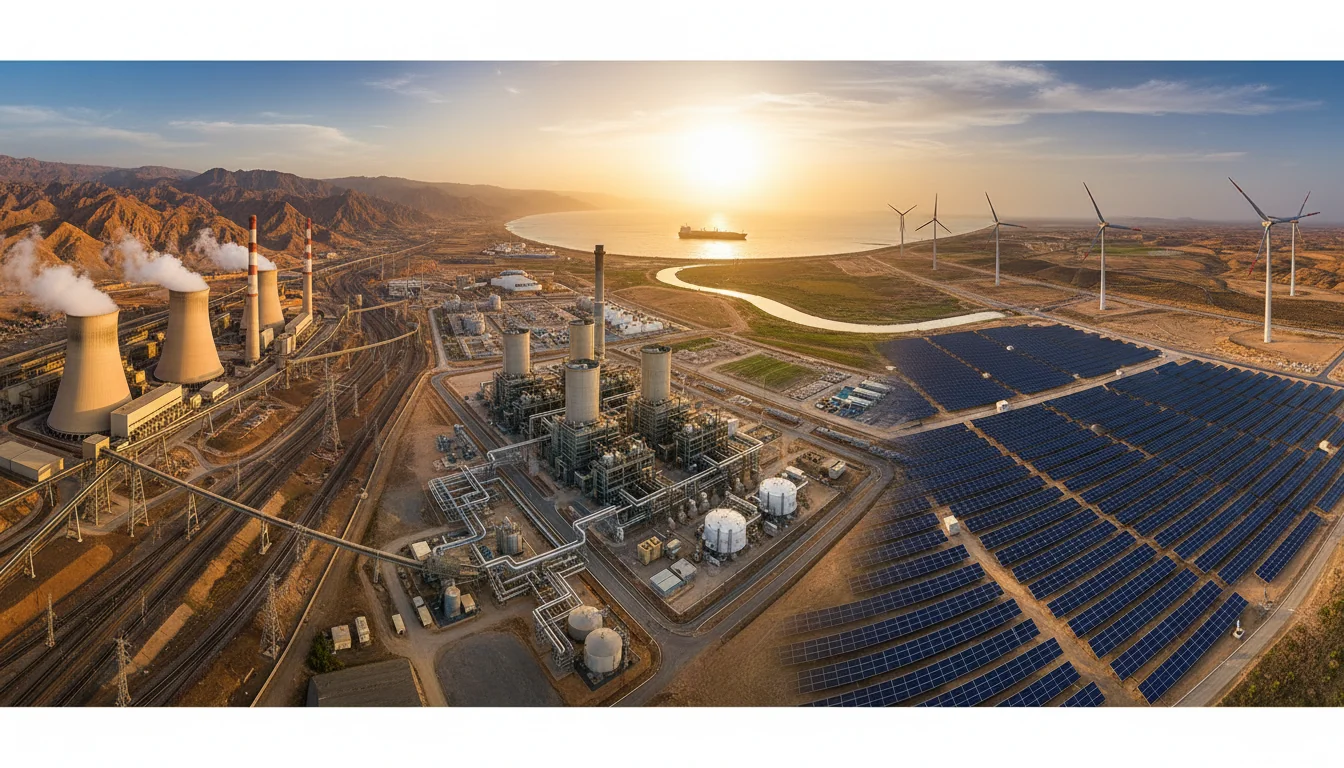
Across India, power producers are being asked to deliver more reliability from ageing coal fleets, flex gas assets harder to balance renewables, and commission new solar and wind plants at record speed. The weakest link is rarely the OEM. It’s almost always fragmented mechanical, piping, and installation contractors who were never designed for today’s complexity.
This 2026 buyer’s guide is written for plant heads, procurement leaders and project directors who are done with trial-and-error vendor selection. It segments what good looks like—by fuel type, lifecycle stage and risk profile—so you can benchmark industrial mechanical solutions providers and cut shortlists with confidence.
Throughout, we’ll use Boilleo Private Limited as a reference point: a pan-India contractor specialised in industrial process piping, boiler and power-cycle systems, illumination and signalling installations, and integrated mechanical solutions for high-stakes power environments.
1. The New Risk Landscape for Power Plant Owners in India
India’s power sector has never been more paradoxical: installed capacity keeps rising, yet the cost of unplanned downtime is exploding. A single forced outage at a 500 MW coal unit can erase crores in revenue, trigger deviation penalties under grid codes, and damage hard-won reliability indices with regulators and bulk consumers.
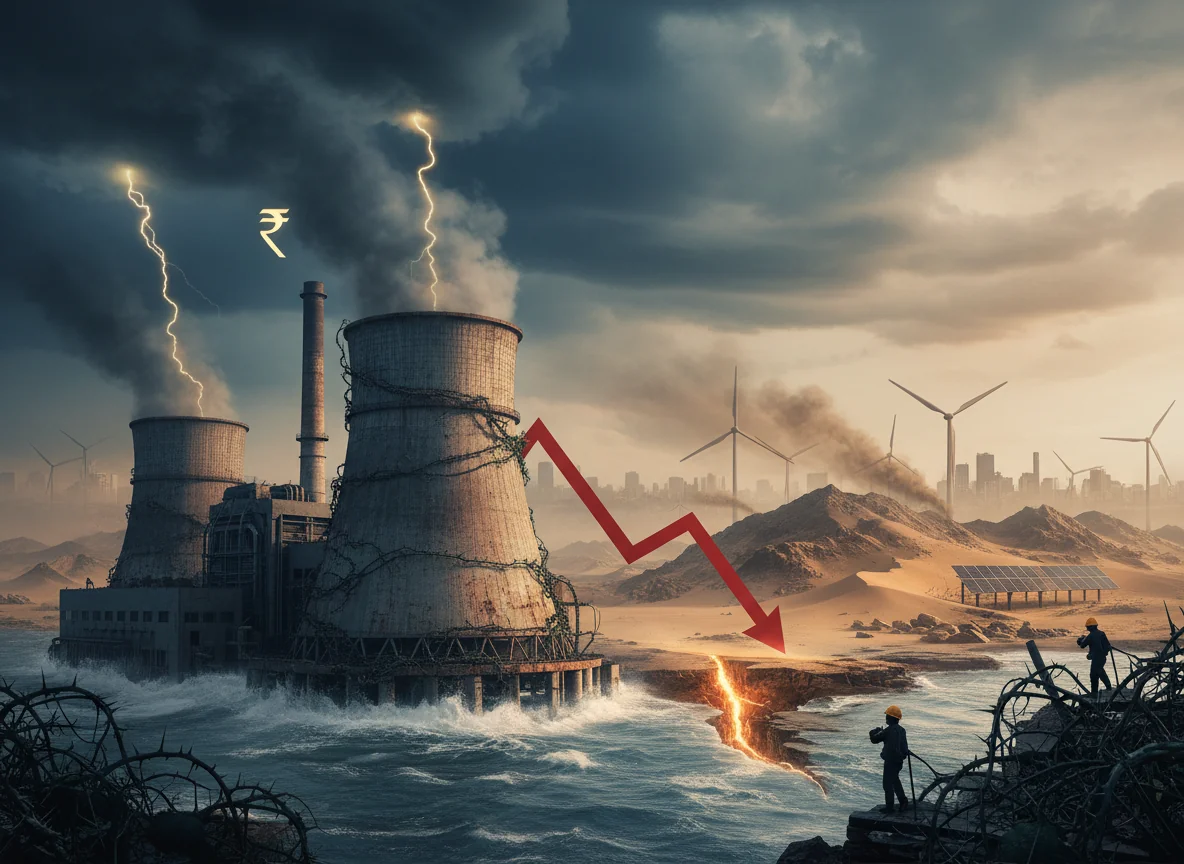
Historically, power producers treated mechanical contractors as interchangeable labour-and-tools vendors. That era is over. Three structural shifts are redefining risk:
- Ageing base-load fleets: Many coal units commissioned in the 1990s–2000s now suffer creep, corrosion and fatigue in high-pressure piping, boilers and balance-of-plant, raising failure probabilities.
- Flexing assets for renewables: Cycling and two-shifting coal and gas plants accelerates thermal stress, weld cracking and leak risks in pressure parts and steam systems.
- Compressed execution windows: Outages are shorter, safety norms stricter, and stakeholder scrutiny higher, especially around boiler maintenance, industrial piping solutions and power plant maintenance quality.
In this context, “low-cost” industrial construction companies in India can quickly become the most expensive choice. The right industrial mechanical solutions provider must reduce lifecycle risk, not just project capex. Buyers who adjust their evaluation lens accordingly will outperform on reliability, safety and cost over 5–15 years—not just this financial year.
2. Core Capabilities Every Industrial Mechanical Solutions Provider Must Demonstrate
Before you segment by fuel type, start with a non-negotiable baseline. Any contender for critical mechanical solutions for power plants in 2026 should show strength in at least six domains:
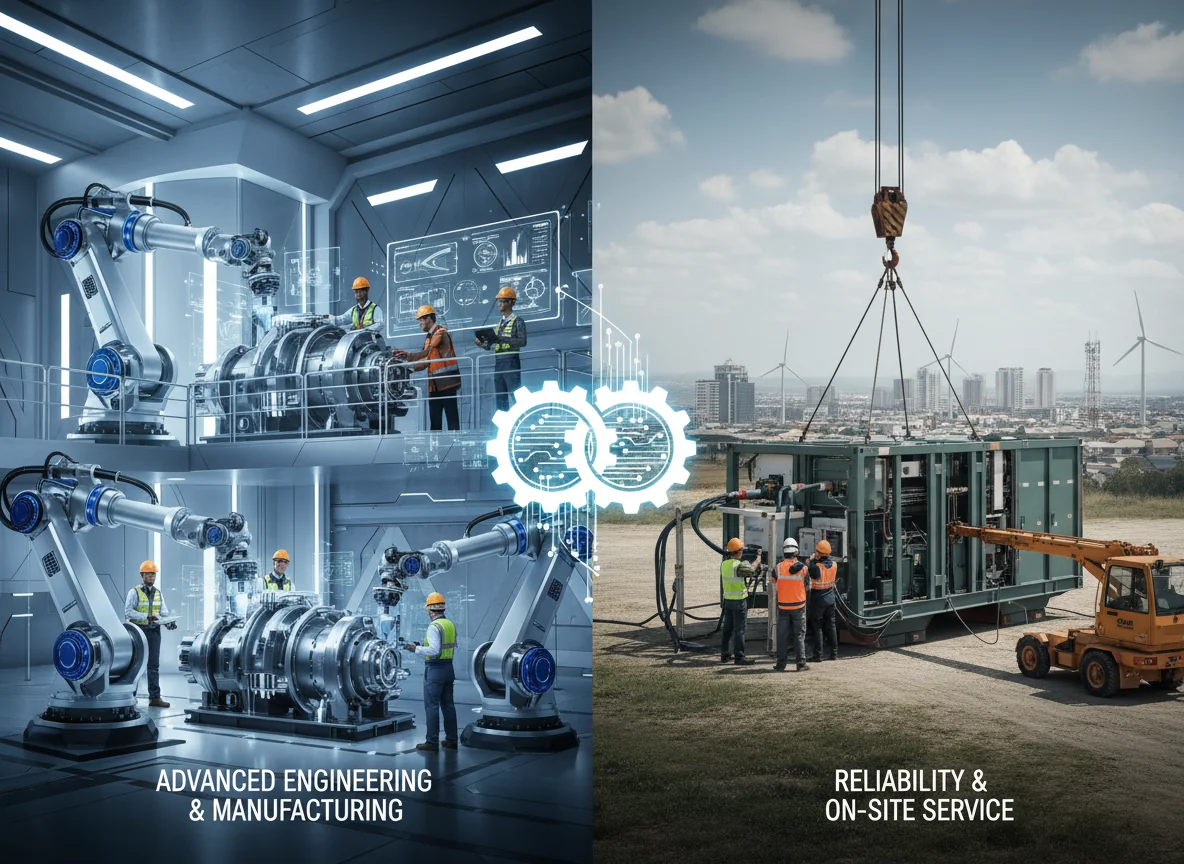
- Integrated installation capabilities: Proven experience in industrial plant installation—boilers, turbines, balance-of-plant, transformer and switchyard equipment, industrial process piping, and power-cycle piping—under a single execution framework.
- Emergency repair and failure response: 24/7 capability for power plant equipment failure repair, including rapid mobilisation of welders, fitters, NDT technicians and site engineers across India.
- Boiler and steam-generation expertise: Demonstrable authority in industrial steam generation and boiler installation—waterwall panels, superheaters, reheaters, economisers, headers, valves and related piping systems.
- Design-aware execution: Teams that understand engineering intent and can interface with OEMs and EPCs to resolve design clashes in the field.
- Safety and compliance culture: Track record of zero LTI performance on major outages, adherence to statutory norms, and mature work-permit and JSB systems.
- Pan-India manpower and logistics: Civil and mechanical manpower supply at scale, with predictable mobilisation timelines and transparent resource planning.
Boilleo, for example, has built its business around these integrated capabilities, combining process piping, mechanical erection and specialised plant installations (electric power plants, transformer yards, telecommunication and radar plants, and illumination/signalling systems for roads, railways, airports and harbours) under one execution umbrella. That integrated model is the new benchmark buyers should demand.
3. Selecting Providers for Coal-Fired Plants: Boilers, Piping and Outage Discipline
Coal plants remain the backbone of India’s grid; they’re also the most mechanically punishing environments. When shortlisting mechanical solutions providers for coal units, weight these criteria heavily:
- Boiler maintenance services maturity: Look for a documented boiler maintenance regime—overhaul checklists, condition assessment methods, tube failure RCAs, and systematic reporting. Providers should be able to answer foundational questions like “why boiler maintenance is important” with data, not platitudes.
- Power-cycle piping expertise: Verify track record on high-pressure/high-temperature piping systems: main steam, hot reheat, cold reheat, boiler feed water, condensate and auxiliary steam lines. Ask for weld rejection rates, hydrotest success rates and sample test packs.
- Outage execution discipline: Assess their ability to deliver critical-path work within narrow shutdown windows without compromising QA/QC. Review Gantt charts from past outages, manpower deployment curves and punch-list clearance histories.
- Emergency boiler and piping repair: Insist on a clear protocol for emergency scenarios: escalation chain, decision rights, inventory access and site mobilisation SLAs for boiler leakage, header cracks or valve failures.
Boilleo’s power cycle piping solutions and boiler maintenance services are designed around such coal-plant realities: rigorous weld procedures, specialised high-pressure teams, and a focus on failure-mode patterns seen across Indian subcritical and supercritical fleets. When evaluating competitors, compare their capabilities against this level of specialisation rather than generic “mechanical contracting” claims.
4. Evaluating Partners for Gas-Based and Combined-Cycle Plants
Gas and combined-cycle plants are often treated as “simpler” mechanically, but their commercial exposure to forced outages is brutal. Availability guarantees, performance-linked tariffs and tight spinning-reserve obligations leave little tolerance for mechanical surprises.
When sourcing industrial mechanical solutions providers for gas plants, focus on:
- Balance-of-plant nuance: Beyond the gas turbine itself, failures typically originate in HRSG pressure parts, attemperators, condensate and feedwater systems, cooling towers and auxiliary gas and fuel-oil lines. Providers should understand HRSG-specific tube failure mechanisms and cycling damage.
- Fast-start and cycling implications: Combined-cycle plants ramp frequently, driving transient stresses. Ask vendors how they adapt inspection and maintenance regimes for cycling versus base-load operation.
- Cleanliness and precision standards: Gas plants are less forgiving of debris, misalignment and poor flange management. Evaluate flushing and cleaning procedures, alignment tolerances and torqueing practices.
- Interface management: Many gas projects involve multiple OEMs (gas turbine, HRSG, steam turbine). Your mechanical provider must be adept at coordinating industrial plant installation across packages and resolving site-interface clashes.
Companies like Boilleo, which already handle complex mechanical integration for power plants, transformer and switchyard installations, and telecommunication/radar plants, bring the systems thinking gas facilities require. Use that as a benchmark: can your provider talk in detail about HRSG harps, casing expansion joints and condensate polishing units—or only about generic "piping work"?
5. Providers for Renewable and Hybrid Plants: Beyond Steel and Concrete
Renewable plants are often assumed to be civil-heavy and mechanically light. That assumption is outdated. As solar, wind and hybrid projects scale, mechanical and installation complexity is shifting to grid interfaces, balance-of-system infrastructure and hybridisation assets.
When evaluating industrial construction companies in India for renewables, examine:
- Substation and switchyard installations: Competence in installing electric power plants’ transformer yards, breakers, isolators, busbars and associated structures; precision matters for reliability and safety.
- Illumination and signalling systems: Experience with large-scale illumination for solar parks, switchyards and wind farms, as well as signalling systems for access roads, rail links and adjacent industrial corridors.
- Mechanical balance-of-plant: For hybrid projects and grid-scale storage, this includes HVAC, fire-fighting systems, water storage and pumping, and process piping for auxiliary systems.
- Integration with digital and telecom systems: Providers like Boilleo, who install telecommunication and radar plants, are better positioned to coordinate with SCADA, communication towers and monitoring infrastructure that underpin renewable plant uptime.
Renewables also require compressed schedules and remote locations. Assess your provider’s civil manpower supply, logistics planning and ability to operate under harsh site conditions. The best partners treat renewable projects not as “small jobs” but as critical reliability assets tied into the same grid where your thermal plants live—because that’s exactly what they are.
6. From Vendors to Strategic Partners: Evaluation Framework and RFP Checklist
To move beyond price-led bidding, your RFP and evaluation framework must force providers to reveal how they manage risk, not just how many welders they can deploy. Consider structuring your assessment across four pillars:
- Technical and domain depth: Request detailed project case studies for boiler installation, industrial steam generation systems, major retrofits and power plant equipment failure repair. Probe for RCAs, not just photo galleries.
- Execution and safety systems: Ask for sample method statements, risk assessments, WPS/PQR documentation, NDT plans, safety statistics and training matrices.
- Coverage and responsiveness: Documented pan-India footprint, emergency response protocols, typical mobilisation lead times, and escalation contacts up to leadership level.
- Commercial and relationship model: Openness to long-term maintenance frameworks, outage frameworks, and performance-linked elements tied to boiler maintenance services, piping reliability or outage KPIs.
Use a weighted scoring model to normalise responses and avoid being swayed by polished presentations alone. Boilleo-style integrated providers typically score higher on technical integration and risk management, even if their day-one prices are marginally higher. Over a 10-year horizon, that premium is often recovered multiple times through avoided failures, fewer repeat jobs and shorter outage durations.
Finally, insist on a site visit and speak directly with the field teams who will actually execute your work. Competence and culture are most visible on the shop floor and in the temporary site office, not in the boardroom.
7. Using Digital Signals to Identify High-Quality Mechanical Partners
In 2026, credible industrial mechanical solutions providers leave digital fingerprints that smart buyers can analyse before issuing RFQs. Look for:
- Topical authority: Does the provider publish substantive resources on industrial steam generation, boiler installation, industrial piping solutions and power plant maintenance, or only thin brochureware?
- Problem-solution content: Are they addressing real-world challenges such as "power plant equipment failure repair", "emergency boiler repair" or "why boiler maintenance is important" in depth?
- Clarity of services and contact paths: Consolidated, well-structured service pages (e.g., boiler maintenance services, power cycle piping solutions, civil manpower supply) with clear, non-redundant contact paths signal operational maturity.
- Evidence of tracking and responsiveness: Vendors who invest in SEO data, tracking and analytics typically manage their projects with similar discipline—data-driven, transparent and improvement-focused.
Boilleo’s emerging digital strategy—building authority around industrial piping and boiler maintenance, clarifying conversion paths and capturing emergency search intent—is illustrative of how serious providers are professionalising. As a buyer, you can use this lens preemptively: shortlist vendors who treat their own digital presence with the same engineering rigour you expect on your sites.
The result is a tighter, higher-quality RFP list—and a much higher probability that your next mechanical partner will be an asset in your reliability strategy, not another variable you have to manage.
Frequently Asked Questions
What are industrial mechanical solutions providers for power plants?
Industrial mechanical solutions providers are specialised contractors that design, install, maintain and repair the mechanical systems that keep power plants running. This includes boilers and industrial steam generation systems, power-cycle piping, balance-of-plant equipment, structural steel, illumination and signalling, and associated auxiliary systems. For Indian power producers, the right provider should be able to handle both greenfield industrial plant installation and brownfield outage work, with strong capabilities in boiler maintenance services, industrial piping solutions and emergency repair of critical equipment to minimise downtime and safety risks.
How should I choose a mechanical solutions provider for my coal power plant?
Start by prioritising deep experience in coal-fired boiler maintenance, high-pressure piping and outage execution. Ask for project references on units similar to yours, including details of weld rejection rates, tube failure RCAs and boiler overhauls. Evaluate the provider’s power plant equipment failure repair capabilities—mobilisation speed, 24/7 response, and access to skilled welders and fitters. Insist on documented safety and QA/QC systems, not just verbal assurances. Finally, visit an ongoing outage site if possible; how they manage scaffolding, housekeeping, permits and punch lists will tell you whether they can reliably execute on your unit.
Why is boiler maintenance so important in power plants?
Boilers operate under extreme pressure and temperature, making them one of the highest-risk components in coal and some biomass plants. Poor boiler maintenance leads directly to tube leaks, efficiency loss, unplanned shutdowns and, in worst cases, catastrophic failures. Regular, structured boiler maintenance services—including condition assessment, cleaning, NDT, alignment checks and valve overhauls—reduce the likelihood of failure and extend asset life. For Indian plants facing tighter environmental norms and cycling operation, disciplined boiler maintenance also preserves heat-rate and emissions performance, protecting both margins and regulatory compliance.
Can one provider handle both mechanical installation and ongoing maintenance?
Yes—and for many power producers, that’s the preferred model. Integrated providers like Boilleo that handle industrial plant installation, power-cycle piping, illumination and signalling, and mechanical erection are often best positioned to take on long-term maintenance. They already understand your plant’s design intent, interfaces and construction history, which improves the quality of troubleshooting and repair. When negotiating, explore framework agreements that cover both project execution and outage/maintenance scopes, with clear performance expectations around response times, boiler maintenance quality and piping reliability.
What should be in an RFP for mechanical solutions for power plants?
A strong RFP clearly defines technical scope (boiler, piping, BOP, illumination, signalling), performance expectations (outage windows, availability targets), safety and quality requirements, and documentation deliverables. Request detailed case studies, sample method statements, WPS/PQRs, NDT plans and safety statistics. Include specific questions about power plant equipment failure repair experience, industrial piping solutions, industrial steam generation projects and boiler installation track record. Finally, ask for organisation charts, mobilisation plans and escalation contacts, and evaluate proposals using a weighted scorecard that balances price with technical depth, safety culture and responsiveness.
Conclusion: Turning Mechanical Reliability into a Competitive Advantage
Mechanical reliability is no longer a back-of-house maintenance concern; it is a front-line strategic lever in India’s evolving power market. Whether you run coal, gas or renewable plants, the industrial mechanical solutions providers you choose will quietly determine your forced outage rates, safety record and long-term asset returns.
By demanding integrated capabilities, segmenting requirements by fuel type, and using both on-the-ground evidence and digital signals to assess vendors, you can transform mechanical contracting from a commodity purchase into a competitive advantage.
Boilleo Private Limited represents one model of this future: a pan-India partner combining industrial process piping, boiler and power-cycle expertise, specialised plant installations and disciplined emergency response. As you build your 2026 vendor strategy, use this guide as a checklist—and raise the bar for every contractor who walks onto your site.
industrial mechanical solutions providersmechanical solutions for power plantspower plant equipment failure repairindustrial plant installation